


Guests learn traditional Turkish seasoning techniques by booking a hands-on cooking class in Turkish Cuisine led by executive chefs in the Historic Peninsula, where they measure, roast, and hand-grind foundational spices like sumac, urfa biber, and dried mint before applying them to classic recipes.
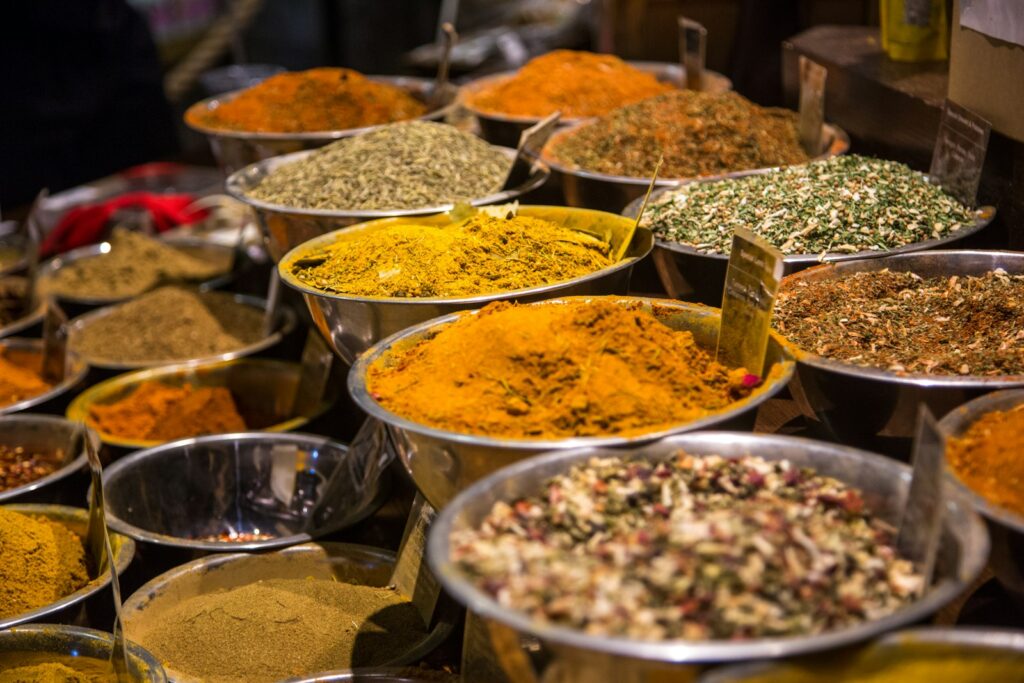
Two hours of hands-on seasoning practice in Sirkeci
A two-hour seasoning practice in Sirkeci teaches you how to balance heat, acidity, and aromatic oil extraction through direct manipulation of raw Anatolian spices. Working alongside professional culinary instructors in kitchen workshops near the historic spice markets, you begin by selecting whole seeds and dried barks. You then use traditional brass mortars and pestles to break down coriander seeds, Nigella seeds, and sweet red pepper flakes while adjusting heat levels in warm pan copper bottoms.
Executive chefs guide participants through the precise blooming phase, showing how warming spices in butter or cold-pressed olive oil unlocks aromatic compounds before any liquid ingredients enter the dish. For example, learning to toast ground cumin lightly without burning it preserves its warming aroma without introducing bitterness. You also learn how sumac berries require hand-rubbing into raw red onions at room temperature to preserve their vibrant crimson color and tart citrus acidity.
Travelers staying on Faik Paşa Street in Beyoğlu can reach Sirkeci easily by taking a ten to fifteen-minute walk downhill past Galata Tower toward Karaköy, followed by a short stroll across the Galata Bridge over the Golden Horn. Taking a morning class provides early access to spice stalls before midday crowds assemble, allowing you to sample single-origin harvests directly from local merchants. The Soul Hotel team recommends reserving morning culinary slots so you can spend the rest of the day testing your newly acquired knowledge across neighborhood eateries.
Essential Anatolian spice pairings for vegetable dishes
Essential Anatolian spice pairings rely on matching sour, earthy, and pungent botanicals to accentuate the natural sugars of seasonal vegetables. Traditional Turkish cooking treats vegetables not as side dishes, but as central culinary features prepared with olive oil (zeytinyağlılar) and enhanced by balanced spice blends. Understanding how specific spices interact with vegetable fibers transforms basic produce into aromatic regional specialties.
Mastering these classic combinations requires understanding four foundational pairings used across Ottoman and regional Anatolian kitchens:
- Sumac and Red Onion: Coarsely ground sumac berries provide a sharp, lemon-like tartness that softens raw red onion slices, making them an ideal garnish for braised white beans and charcoal-grilled peppers.
- Wild Thyme (Kekik) and Roasted Eggplant: Sun-dried mountain thyme paired with roasted eggplant skin complements smoky undertones while adding a subtle floral finish.
- Cumin and Dried Mint for Legumes: Earthy ground cumin neutralizes starch density in yellow lentils and chickpea stews, while dried mint bloomed in warm olive oil acts as a refreshing counterweight.
- Urfa Biber and Tomato Stews: Dark, sun-cured Urfa pepper flakes infuse slow-simmered tomato and zucchini ragouts with a deep chocolate color and smoky, mild warmth.
When preparing plant-based meals, proper technique dictates adding dried leafy herbs near the middle of cooking and finishing with fresh citrus or raw sumac just before serving. This step-by-step layering ensures that volatile essential oils remain vibrant rather than cooking off under prolonged heat.
The table below provides a practical reference for matching classic Anatolian spices with traditional vegetable applications and preparation techniques:
| Spice Name | Flavor Profile | Traditional Dish Application | Key Preparation Tip |
|---|---|---|---|
| Sumac (Sumak) | Tart, astringent, citrusy | Raw red onion salads, braised artichokes | Add raw at the very end of preparation to maintain crisp acidity. |
| Urfa Pepper (Urfa Biber) | Smoky, slightly sweet, mild heat | Roasted eggplant ragout, lentil patties | Bloom in warm olive oil to release deep reddish-black essential oils. |
| Mountain Thyme (Kekik) | Earthy, pine-like, floral | Olive oil poached zucchini, roasted tomatoes | Rub between your palms right before adding to unlock aromatic leaves. |
| Nigella Seeds (Çörek Otu) | Nutty, slightly bitter, peppery | Savory pastries, flatbread garnishes | Dry-toast lightly in an ungreased skillet prior to topping baked goods. |
Rooftop dining with panoramic Peninsula views at Olive Anatolian Restaurant
Travelers can experience executive chef interpretations of classic Ottoman recipes at rooftop dining venues across the Golden Horn, where historic vistas complement regional spice pairings. Stepping into a elevated dining dining venue after a day of market exploration links cooking theory with expert kitchen execution. Observing how master chefs plate slow-simmered vegetable casseroles and spice-crusted entrees highlights the subtle differences between home cooking and fine dining standards.
A prime location for sampling refined regional fare in the Historic Peninsula is Olive Anatolian Restaurant, which pairs historic city views with a kitchen dedicated to authentic Anatolian culinary heritage. You can review seasonal offerings directly on the Olive Anatolian Restaurant official website prior to planning your evening meal. The kitchen team uses local ingredients, incorporating wild oregano, sumac marinades, and hand-ground spice mixes into thoughtfully prepared tasting menus. Vegan and vegetarian options are clearly marked across the menu, ensuring plant-based diners can experience rich Anatolian flavor profiles without compromise.
Dining on the rooftop offers direct visual views of Hagia Sophia, Topkapi Palace, and the surrounding historic skyline. As dusk settles over the Bosphorus, tasting dishes seasoned with local saffron, clove, and sweet paprika illustrates the historic spice trade routes that shaped Istanbul’s culinary identity. Hotel guests seeking evening dining advice can consult front desk personnel to learn about current hotel dining arrangements or local recommendations near Beyoğlu and Sirkeci.
Pairing culinary excursions with classic peninsula travel at Hotel Yasmak Sultan
Combining culinary masterclasses with historic district exploration is most seamless when basing your itinerary around Sirkeci and Sultanahmet landmarks. Staying within short walking distance of major historic sites simplifies daily movement, allowing you to fit hands-on cooking workshops, museum tours, and market visits into a single relaxed schedule without spending long hours in city traffic.
For visitors prioritizing classic peninsula travel centered on historic monuments and traditional hospitality, staying at Hotel Yasmak Sultan places you right near Hagia Sophia, Topkapi Palace, and the Spice Bazaar. Stepping directly out of historic Sirkeci accommodations allows instant access to family-run spice merchants who have operated along the same narrow lanes for generations. Here, you can sample single-origin spice harvests, dried herbs, and authentic Turkish delights under expert local guidance.
Basing your stay near the historic heart of Istanbul also allows effortless afternoon transitions. After completing a two-hour morning masterclass on Ottoman spice ratios, you can spend your afternoon walking through imperial courtyard gardens or exploring water cisterns before returning to your hotel room to refresh before dinner. Concise daily routes ensure that culinary discovery and cultural sight-seeing complement each other seamlessly.
How to organize your culinary itinerary from Beyoğlu
Organizing a daily food itinerary from a Beyoğlu base requires balancing local neighborhood exploration with scheduled masterclasses across the Golden Horn. The Soul Hotel sits on Faik Paşa Street in the Kuloğlu quarter, a historic neighborhood lined with early-twentieth-century restored buildings, antique shops in Çukurcuma, and quiet residential cafes in Cihangir. Staying in Beyoğlu places you close to vibrant city life while keeping high-speed Wi-Fi, air conditioning, and tailored concierge support at your fingertips.
A practical culinary day starting from Faik Paşa Street follows a logical, step-by-step route:
- Morning Walk to Karaköy: Walk five minutes from the hotel to İstiklal Avenue, then follow descending cobblestone lanes past Galata Tower down to Karaköy in roughly 10 to 15 minutes.
- Bridge Crossing to Sirkeci: Stroll across the Galata Bridge on foot or board the T1 tram line to cross the Golden Horn into Sirkeci within minutes.
- Morning Cooking Workshop: Attend a pre-booked hands-on seasoning masterclass in Sirkeci to learn spice-grinding techniques and vegetable pairing ratios from executive chefs.
- Rooftop Lunch: Enjoy a rooftop meal featuring traditional spiced dishes and plant-based specialties overlooking historic landmarks.
- Afternoon Antique Browsing: Return across the bridge to explore vintage design shops, galleries, and coffee roasters throughout Pera and Çukurcuma.
Whether booking a Cozy Room, an Antique Room with Sofa, or a Deluxe Room with Balcony, having a well-located boutique home base makes city transit easy. Travelers arriving at Istanbul Airport or Sabiha Gökçen Airport can arrange a private airport transfer through the front desk to ensure smooth arrivals. Before confirming your reservation, review available special promotional packages or reach out directly to the hotel staff. Standard check-in begins at 14:00, check-out is until 12:00, and the multilingual staff assists guests in English, Turkish, and Russian to ensure an effortless cultural stay in Istanbul.
Mastering Ottoman spice blends offers culinary travelers an authentic connection to Istanbul’s rich sensory heritage. By pairing hands-on workshops in Sirkeci with boutique hospitality in Beyoğlu, you create a memorable journey through the tastes, sights, and traditions of this historic city.
Frequently Asked Questions
How do I participate in a traditional Turkish cooking class during my stay?
You can participate in a traditional Turkish cooking class by reserving a session through your hotel concierge or booking directly with partner culinary academies in Sirkeci. Most workshops last approximately two hours and include hands-on instruction in spice preparation and vegetable dish mastering.
Where is the best rooftop restaurant in the Historic Peninsula for Ottoman spice-infused cuisine?
Olive Anatolian Restaurant in Sirkeci offers an exceptional rooftop dining experience featuring classic Ottoman recipes, regional spice pairings, and panoramic views of Hagia Sophia. The menu includes clearly marked vegan and vegetarian options alongside traditional meat dishes.
Are vegan and vegetarian options available in traditional Turkish cooking classes?
Yes, traditional Turkish cooking classes frequently emphasize olive oil-based vegetable dishes (zeytinyağlılar) that are naturally vegan or vegetarian. Executive chefs tailor spice blending techniques for ingredients like eggplant, lentils, and artichokes.
How long does it take to walk from The Soul Hotel to the Historic Peninsula for a cooking class?
Walking from The Soul Hotel in Beyoğlu to the Historic Peninsula takes approximately twenty to twenty-five minutes downhill past Galata Tower and across the Galata Bridge. Alternatively, guests can take a short five-minute walk to public transit connections.
Which foundational spices are essential for Ottoman vegetable cookery?
Sumac, Urfa pepper flakes, mountain thyme, ground cumin, and dried mint form the core foundation of traditional Ottoman vegetable cookery. These spices balance acidity, earthiness, and mild heat without overwhelming fresh seasonal produce.
What sister property is recommended for families seeking classic peninsula travel near Hagia Sophia?
Hotel Yasmak Sultan is ideal for families and travelers prioritizing classic peninsula travel within walking distance of Hagia Sophia, Topkapi Palace, and local spice markets. It offers comfortable accommodations right in the heart of Sirkeci.
Can hotel front desk staff assist with airport transfer arrangements?
Yes, front desk staff at The Soul Hotel can organize private airport transfers upon request for smooth transportation to and from Istanbul Airport or Sabiha Gökçen Airport. Guests can coordinate transfer details prior to arrival or during check-in.
What room categories are available at The Soul Hotel for culinary travelers staying in Beyoğlu?
The Soul Hotel offers six distinct room categories, including Petit Room, Cozy Room, Antique Room with Sofa, Deluxe Room with Balcony, Deluxe Room with Galata View, and Deluxe Room with Sofa Ground Floor. Specific room availability can be confirmed during booking.
Photo: Jason Leung — Unsplash

