


Design enthusiasts can find authentic Ottoman glassware, mid-century ceramics, and vintage rugs within a two-minute walk from The Soul Hotel along Faik Paşa Street and surrounding Çukurcuma lanes in Beyoğlu. Establishments like A La Turca, Modern Tarih, Çukurcuma Antikacısı, Mozai̇k, and local alley craftsmen offer verified nineteenth-century Beykoz glass, Kütahya ceramics, and Anatolian kilims directly on this corridor.
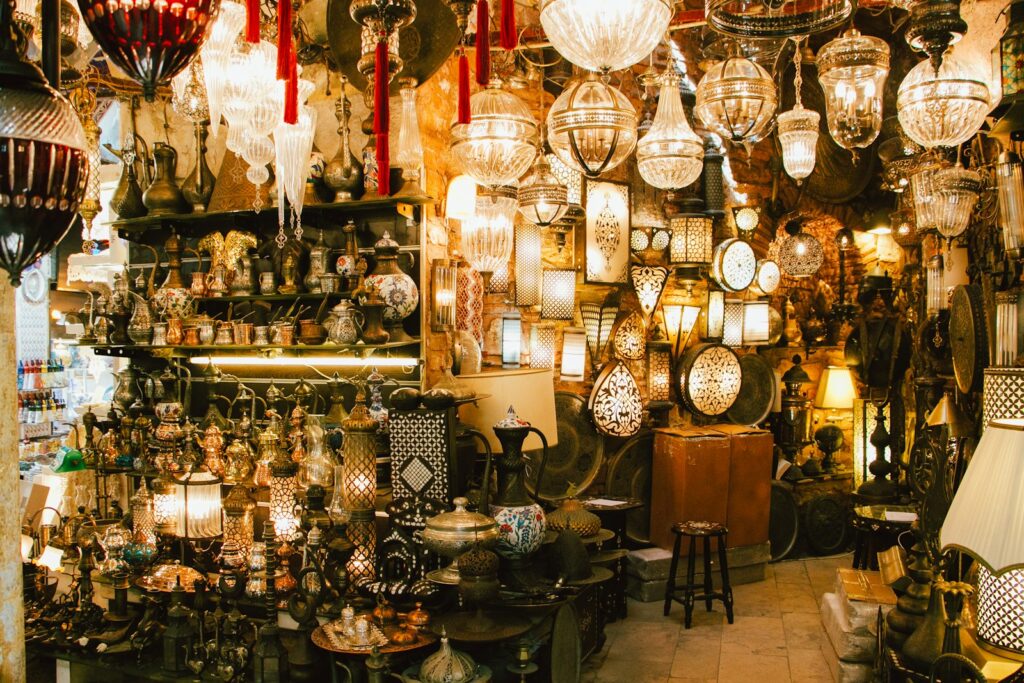
Key vintage stops along Faik Paşa Street
Navigating the 150-meter stretch of Faik Paşa Street reveals five specialized antique vendors offering Ottoman-era glass, mid-century Anatolian ceramics, vintage carpets, restored lighting, and early twentieth-century furniture. Located in the Kuloğlu quarter of Beyoğlu, this street serves as the central artery for vintage collectors seeking documented items with clear origin history.
The first essential stop is A La Turca, located at Faik Paşa Street No: 4, situated less than 50 meters from the hotel entrance. Spanning four floors of a restored nineteenth-century townhouse, this gallery specializes in rare Anatolian kilims, hand-knotted central Anatolian rugs dating from the late nineteenth to mid-twentieth century, and large-scale terracotta olive oil jars. Expect to spend 30 to 45 minutes reviewing woven textiles with the shopkeeper, who can detail the specific regional symbols of central Anatolian weavers.
Moving further down the cobblestone incline brings you to Modern Tarih, located at the junction of Faik Paşa and Turnacıbaşı streets. This expansive showroom focuses on architectural antiques, heavy wooden doors from East Anatolian mansions, cast-iron garden fixtures, and mid-century ceramic vessels. It is a key stop for interior design enthusiasts looking for large structural accents or industrial copper lighting fixtures restored for modern electrical standards.
Directly across the street, Çukurcuma Antikacısı offers a dense collection of delicate glass and tabletop objects. Here you will find nineteenth-century Beykoz opaline glassware, characterized by hand-painted floral motifs and gilded rims, alongside French Bohemian glass exported to the Ottoman court during the late nineteenth century. The owner keeps documented provenance notes for rare glassware pieces, making it an ideal venue for serious glassware collectors.
For mid-century design, Mozai̇k Vintage on nearby Bostancı Başı Street presents retro ceramic table lamps, Turkish studio pottery from the 1960s, and Scandinavian modern furniture imported during mid-century residential construction in Istanbul. The shop is well-organized, allowing you to examine pottery glaze marks and manufacturer labels under clean studio lighting.
Completing the immediate circuit, Kastamonu Antik offers smaller curiosities suitable for luggage transport. Their glass display cases contain Ottoman-era pocket watches, brass coffee grinders, carved meerschaum pipes, and individual Kütahya ceramic tiles from the early 1900s. The proprietor maintains a steady inventory of small brass desk accessories that reflect daily life in late Ottoman Beyoğlu.
| Shop Name | Primary Specialty | Distance from Hotel | Recommended Browsing Time |
|---|---|---|---|
| A La Turca | Anatolian Kilims & Textiles | 1 minute walk | 45 minutes |
| Modern Tarih | Architectural Salvage & Ceramics | 2 minutes walk | 30 minutes |
| Çukurcuma Antikacısı | Beykoz Glassware & Opalines | 2 minutes walk | 30 minutes |
| Mozai̇k Vintage | Mid-Century Studio Pottery | 3 minutes walk | 25 minutes |
| Kastamonu Antik | Ottoman Brassware & Small Tiles | 2 minutes walk | 20 minutes |
What to expect when exploring Çukurcuma lanes
Exploring the narrow cobblestone alleyways around Faik Paşa Street requires budgeting two to three hours of walking time, as shops generally open around 11:00 and keep unhurried afternoon schedules until roughly 19:00. The sloping streets feature uneven stone paving and historic residential facades, making flat walking shoes essential for a comfortable afternoon of browsing.
When navigating Çukurcuma vintage shops and Faik Paşa Street curiosities, expect shopkeepers to offer you black tea in small tulip glasses while you inspect items. This hospitality is standard practice across Turkish antique galleries; accepting tea carries no obligation to make a purchase, but provides time to discuss the history, provenance, and restoration techniques applied to each item.
Between shop visits, take a break to sample local coffee culture right in the neighborhood. You can take a pause to learn about historic Beyoğlu coffee houses and Ottoman brewing techniques at nearby corner cafes, where copper pots (cevze) are brewed over hot sand to extract a dense, aromatic beverage. The Soul Hotel team recommends starting your street walk around 11:30 to catch shopkeepers after their morning stock setups.
Essential criteria for evaluating mid-century ceramics and glass
Verifying authentic vintage Turkish ceramics and Ottoman glassware requires inspecting wear patterns on foot rings, pontil marks on glass bases, hand-painted glaze imperfections, and signature stamps from historic workshops. Understanding these tangible indicators helps you separate genuine early-to-mid-twentieth-century artifacts from modern mass-market reproductions.
For glassware, particularly Beykoz opaline glass produced along the Asian shore of the Bosphorus, examine the pontil mark at the bottom of the base. Genuine hand-blown Beykoz glass displays a slightly rough, sheared pontil mark where the glassmaker’s rod was detached, rather than a smooth, machine-molded seam. Hold the glass up to natural light; true opaline glass exhibits a milky translucency with subtle opalescent shifts ranging from pale blue to warm amber. Gilded decorations on original nineteenth-century pieces should show natural friction wear along raised edges where fingers held the object over decades.
When assessing mid-century Turkish ceramics, particularly tiles and pottery from Kütahya or Iznik revival workshops, check the reverse side of the piece. Authentic vintage ceramics feature unglazed, coarse earthenware or stoneware bases showing fine crackle lines (craquelure) beneath the clear overglaze. Hand-painted patterns reveal minute variations in brushstroke thickness and slight bleed between cobalt blue, turquoise, and coral red pigments. Modern screen-printed copies lack these natural glaze depressions and display uniform, mechanical line work.
For carpets and kilims, inspect the underside of the weave. Hand-knotted Anatolian rugs feature slight irregularities in knot density and hand-spun wool fibers, while machine-made rugs exhibit perfect, uniform stitching on the back. Natural plant dyes age into muted, harmonious tones over time, whereas synthetic aniline dyes used after the 1950s often fade unevenly or bleed when exposed to moisture.
Recommended steps for transporting fragile antiques on flights
Safely flying home with delicate glassware or ceramic souvenirs requires double-boxing with bubble wrap, filling empty interior cavities with acid-free paper, and carrying high-value items in carry-on luggage. Turkish law strictly prohibits the export of cultural antiquities older than 100 years without an official museum permit, so always retain sales receipts and export documentation for legal customs clearance.
- Inspect the piece for existing hairline cracks or structural weakness before purchase, asking the shopkeeper to highlight any prior porcelain or glass repairs under bright light.
- Fill interior voids of decanters, vases, or ceramic jugs with tightly crumpled acid-free tissue paper to absorb structural shocks during transport.
- Wrap the exterior of each glass or ceramic object in three full layers of small-bubble wrap, securing all edges with high-tack packing tape.
- Place the wrapped item inside a rigid cardboard box, filling all surrounding gaps with at least two centimeters of foam peanuts or crumpled kraft paper so the item cannot shift when shaken.
- Nest the packed box inside your hardshell suitacase surrounded by soft clothing layers, or place small delicate glassware directly inside your overhead carry-on bag.
- Obtain an itemized receipt from the antique dealer clearly stating the age, purchase price, and shop license details to present at Istanbul Airport customs control if questioned.
Pairing vintage exploration with an evening meal across the Golden Horn
Crossing the Golden Horn after an afternoon of antique browsing allows you to transition from Beyoğlu’s bohemian streets to the Historic Peninsula for a traditional Anatolian dinner. The journey takes roughly 15 to 20 minutes by taxi or a 25-minute scenic walk across Galata Bridge, connecting the nineteenth-century architecture of Pera with the classic skyline of Sultanahmet.
After securing your antique finds, cross the Golden Horn to reserve a table at Olive Anatolian Restaurant, which serves regionally sourced Anatolian recipes alongside clearly labeled vegan and vegetarian dishes overlooking the historic cityscape. If you wish to explore classic Ottoman heritage stay options near Hagia Sophia, consider visiting Hotel Sultania on the peninsula, which offers traditional design elements matching the historic neighborhood.
Returning to Beyoğlu in the evening brings you back to your boutique home base on Faik Paşa Street. Whether resting in a comfortable Petit Room after a full day on foot or unwinding surrounded by curated decor in an Antique Room with Sofa, staying directly on this historic street keeps you anchored in the creative pulse of Beyoğlu.
Frequently Asked Questions
Where can I find antique shops near The Soul Hotel?
Faik Paşa Street and the surrounding Çukurcuma quarter feature numerous antique galleries directly outside The Soul Hotel. Shops like A La Turca and Modern Tarih are located within a two-minute walk from the hotel entrance.
What are the opening hours for antique stores on Faik Paşa Street?
Most antique shops on Faik Paşa Street open between 10:30 and 11:00 and close around 19:00. Store hours can vary on Sundays, so checking with individual shopkeepers or asking the hotel front desk is recommended.
How do I know if Ottoman glassware is authentic Beykoz glass?
Authentic Beykoz glass features hand-blown pontil marks on the base, milky translucent opalescence, and delicate hand-painted floral gilding. Genuine pieces show slight natural friction wear on raised surfaces rather than uniform machine finishes.
Are international shipping services available for large antiques bought in Çukurcuma?
Yes, major antique galleries in Çukurcuma work with international freight carriers to ship large items like furniture, heavy ceramics, and large rugs directly to your home address, complete with export customs paperwork.
What Turkish customs rules apply to taking vintage items out of Turkey?
Turkish cultural heritage laws strictly ban the export of genuine antiquities over 100 years old without official museum permits. Always keep sales receipts for vintage items and verify age documentation with reputable shopkeepers before purchase.
Where can design collectors dine near the Historic Peninsula after shopping?
Olive Anatolian Restaurant in Sirkeci offers classic Anatolian dishes with dedicated vegan and vegetarian menus, located about 15 minutes across the Golden Horn from Beyoğlu antique districts.
Can I arrange private airport transfers from The Soul Hotel for delicate luggage?
The Soul Hotel front desk team can arrange private airport transfer services directly from the hotel door to Istanbul Airport or Sabiha Gökçen, allowing safe transport for delicate luggage and purchases.
What is the standard check-in time at The Soul Hotel?
Standard check-in at The Soul Hotel is from 14:00, and check-out is until 12:00. Luggage storage is available at the front desk if you arrive early to explore Faik Paşa Street.
Photo: Omar Tursić — Unsplash
