


Food enthusiasts can learn traditional Turkish culinary techniques hands-on by enrolling in specialized rooftop cooking workshops in Istanbul’s Historic Peninsula, where executive chefs guide you through authentic Anatolian spice pairings, meze preparation, and classical cooking methods. These immersive culinary sessions offer direct instruction, raw ingredients, and practical kitchen experience designed to let you recreate authentic regional flavors at home.
A Two-Hour Hands-On Workshop with Executive Chefs
You can master core Anatolian cooking techniques during a structured two-hour hands-on workshop led by professional executive chefs who break down complex flavor builds into clear, repeatable steps. Standing at your individual preparation station equipped with heavy copper pots, granite mortars, and olive wood cutting boards, you begin by working directly with raw, seasonal ingredients sourced daily from local markets. The chef demonstrates the precise knife angles required to hand-chop lamb and beef without bruising the meat, ensuring that natural juices are preserved before grilling.
As you progress through the session, you learn the art of balancing hot, sour, and savory notes within classical Turkish recipes. The chefs guide you through emulsifying cold-pressed Aegean olive oil with pomegranate molasses to create balanced glazes and dressings. Rather than watching a passive demonstration, you active-roll grape leaves, knead finely ground bulgur wheat for fresh mezes, and adjust stove heat to simmer aromatic tomato reductions to optimal density.
Throughout the two-hour experience, master cooks explain the exact science behind heat control, garlic preparation, and oil infusion. You learn how regional cooks in Southeastern Anatolia extract sweetness from roasted red peppers and how coastal Aegean kitchens rely on wild herbs to enhance fresh vegetables. By the end of the two hours, you gain a practical understanding of how basic pantry staples transform into sophisticated historic dishes.
Selecting Sumac and Dried Herbs for Classic Meze Dishes
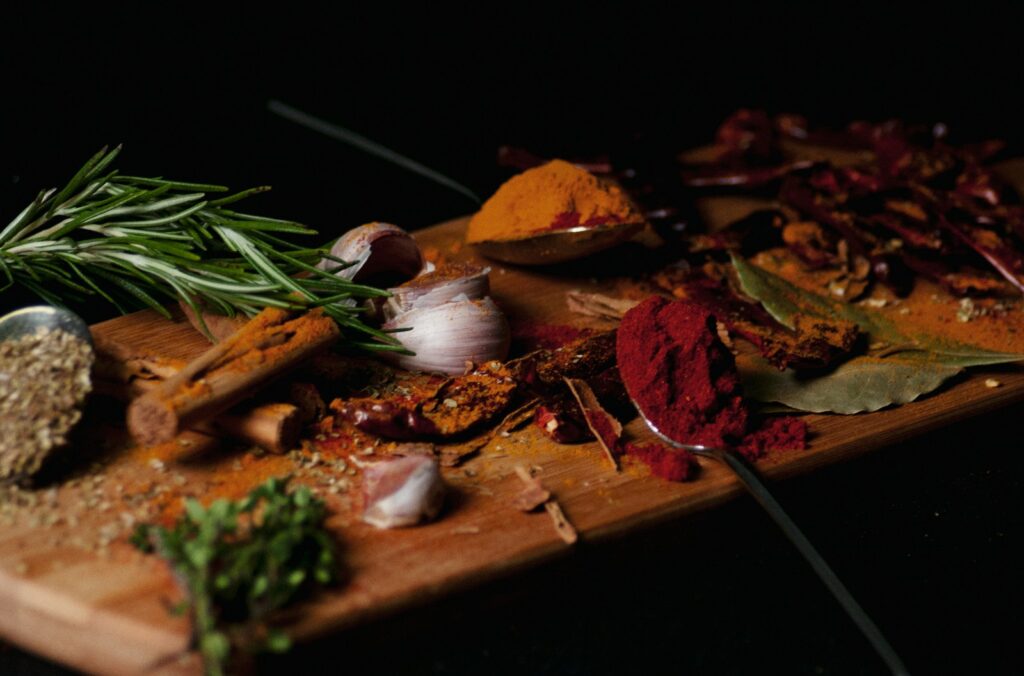
Selecting sumac and dried herbs for classic meze requires evaluating vibrant color, tart citrus oils, and crushed leaf texture before balancing them with garlic and cold-pressed olive oil. In the workshop kitchen, chefs present raw spice bowls so you can smell, touch, and sample each ingredient before adding it to your cooking bowl. Ground sumac berries, harvested from deep red shrubs across Anatolia, deliver a sharp, fruity acidity that replaces lemon juice in traditional onion salads and eggplant marinades.
When preparing iconic cold meze spreads like gavurdağı salad, you learn to layer wild thyme (kekik) with coarsely crushed sun-dried mint and bright crimson pul biber chili flakes. The instructors show you how heating dried herbs briefly in extra virgin olive oil releases oil-soluble flavor compounds before they are mixed into thick strained yogurt or roasted red pepper pastes like muhammara. This technique prevents bitter notes while guaranteeing an even distribution of herb aromas throughout the entire dish.
Vegetarian and plant-based cooks find these spice techniques especially rewarding, as traditional Anatolian meze relies heavily on legumes, roasted roots, and seasonal produce. You learn to elevate roasted eggplant puree using crushed garlic, toasted cumin, and salt, creating satisfying textures without relying on dairy or heavy animal fats. The chefs ensure you understand how small variations in herb ratios dramatically alter the profile of regional meze spreads.
Exploring Essential Ottoman Spices and Dish Pairings
Understanding traditional Ottoman culinary craft requires learning how specific aromatic spices pair with fresh Anatolian produce and tender meats. Spice selection in classical Turkish cooking is deliberate, designed to highlight primary ingredients rather than overpower them. The table below outlines five fundamental Ottoman spices, their distinct flavor characteristics, and their primary uses in classic workshop recipes.
| Spice Name | Flavor Profile | Traditional Recipe Pairing | Dietary Option |
|---|---|---|---|
| Sumac (Ekşi) | Tart, astringent, fruity citrus notes | Gavurdağı salad, sumac onion meze | Vegan / Vegetarian |
| Pul Biber (Silk Chili) | Mild heat, oily texture, fruity undertones | Roasted pepper dips, slow-cooked stews | Vegan / Vegetarian |
| Urfa Biber (Isot) | Smoky, chocolatey undertones with building heat | Grilled meat skewers, lentil patties (Mercimek Köftesi) | Vegan / Vegetarian |
| Toasted Cumin (Kimyon) | Earthy, warm, slightly bitter aroma | Sultani lentil soups, minced meat kofta | Vegan / Vegetarian |
| Dried Mint (Kuru Nane) | Cool, sharp, herbal top note | Haydari yogurt dip, buttered warm broth | Vegetarian |
During the workshop, you grind whole cumin seeds and sun-dried mint leaves by hand using stone mortars, observing how fresh friction releases volatile essential oils missing from pre-ground commercial alternatives. You observe how dark, oily Urfa biber—fermented in the sun during autumn months—adds depth to legume dishes and dark stews without harsh chili heat. These practical sensory tests teach you how to select quality ingredients when shopping in historic markets.
Rooftop Dining Overlooking Topkapı Palace at Olive Anatolian Restaurant
Dining on an elevated terrace overlooking Topkapı Palace allows you to savor the complete multi-course meal you prepared during the workshop alongside sweeping vistas of the Bosphorus and the Historical Peninsula skyline. Once cooking concludes, you transition from the workshop kitchen up to the dining space at Olive Anatolian Restaurant. Attentive waitstaff set your table with warm flatbreads, house-cured olives, and chilled meze platters featuring your freshly created appetizers.
As you sit down to eat, the rooftop setting opens toward famous urban landmarks across the Golden Horn, including the domes of Hagia Sophia and the stone turrets of Topkapı Palace. You can review full menu concepts and terrace detail on the Olive Anatolian Restaurant official website before setting out for your afternoon meal. Sampling your hand-chopped kebabs, warm stews, and seasoned mezes against this backdrop provides an immediate connection between classical Ottoman history and contemporary dining traditions.
The restaurant team seamlessly accommodates diverse dietary preferences, offering clearly designated vegetarian and vegan regional dishes alongside traditional roasted meats. Whether you enjoy slow-cooked olive oil artichokes or rich eggplant mousaka, dining on the open rooftop transforms your cooking lesson into a relaxed, sensory feast shared above the historic rooftops of Old Istanbul.
How to Plan Your Culinary Itinerary Between Beyoğlu and the Peninsula
You can easily structure a seamless culinary itinerary by starting your morning in Beyoğlu’s historic quarter and taking a brief 10 to 15-minute walk or public tram ride across Galata Bridge to the Historical Peninsula. Staying near Faik Paşa Street in Beyoğlu puts you within a five-minute walk of İstiklal Avenue and a short downhill stroll through Cihangir and Karaköy toward the waterfront.
To build a well-paced food itinerary, consider this practical daily sequence:
- Morning Market Walk: Walk down from Beyoğlu through Karaköy, cross Galata Bridge on foot in 15 minutes, and visit the spice traders near Eminönü.
- Rooftop Culinary Workshop: Head up to the kitchen terrace for your hands-on spice and cooking class, lasting approximately two hours.
- Terrace Lunch: Enjoy the four-course meal you prepared while viewing Topkapı Palace and the Golden Horn from the terrace.
- Afternoon Heritage Exploration: Walk five minutes to Hagia Sophia, Sultanahmet Square, or the Basilica Cistern to complete your historical immersion.
If your travel focus centers strictly on ancient monuments and Ottoman history, sister properties across the Golden Horn offer prime historic locations. Hotel Sultania provides detailed Ottoman heritage design near Sultanahmet, while Romance Istanbul Hotel offers tailored couple amenities close to the Old City’s major monuments. For families exploring historic sites on foot, Hotel Yasmak Sultan serves as a practical peninsula base.
Taking Home a Spice Gift Basket and Official Certificate
Participants complete their culinary session by receiving a curated spice gift basket filled with vacuum-packed Anatolian spices, detailed recipe cards, and an official cooking class certificate to recreate dishes at home. The executive chef presents your personalized certificate upon conclusion of the rooftop meal, marking your successful masterclass completion.
The gift basket includes freshly ground sumac, high-grade pul biber, dried wild oregano, and Turkish cumin packed in sealed containers designed for safe luggage transport. You also receive a printed recipe booklet outlining exact gram measurements, step-by-step prep times, and thermal guidelines for every dish cooked during the class. To reserve your spot in an upcoming masterclass session, view details on the cooking class in Turkish cuisine experience page.
These take-home materials ensure you can accurately replicate regional Turkish meze and grilled main courses in your own kitchen. Cooking for family and friends back home becomes straightforward when you have authentic ingredients and chef-tested techniques at hand.
Where to Stay for Easy Access to Istanbul Culinary Workshops
Staying in a quiet boutique hotel in Beyoğlu provides a peaceful base near local coffee shops, antique galleries, and transport links to historic dining venues. The Soul Hotel occupies a restored early-twentieth-century building in the Kuloğlu quarter on Faik Paşa Street, putting guests just minutes from Cihangir, İstiklal Avenue, and the Galata Tower district. The property combines historic architectural features with modern comforts, offering high-speed Wi-Fi, air conditioning, and tailored concierge assistance.
You can select from six distinct room categories suited to your travel style, including the spacious Antique Room with Sofa, which features original high ceilings, restored hardwood flooring, and curated vintage furnishings. The Soul Hotel team recommends arranging culinary workshops, local market guides, and private airport transfers directly through the front desk to ensure clear timing and reliable booking arrangements. Guests interested in tailored stays can check current special culinary packages when planning their trip.
Returning to Beyoğlu after an afternoon cooking workshop on the peninsula lets you enjoy the contrast between Old City history and the active neighborhood life of Beyoğlu’s side streets. You can spend your evenings exploring nearby tea gardens, independent record stores, and local pastry shops just steps from your front door.
Mastering Ottoman spice traditions brings you directly into contact with the culinary heart of Istanbul. By combining hands-on chef instruction with local market knowledge and a comfortable boutique base in Beyoğlu, you turn a standard city vacation into an inspiring journey through regional Turkish flavors.
Frequently Asked Questions
How can food enthusiasts join a hands-on Turkish cooking class in Istanbul?
You can book structured cooking classes through boutique hotels or dedicated culinary workshop providers in Istanbul. Sessions include hands-on preparation of traditional mezes and main courses under chef supervision, culminating in a rooftop lunch or dinner.
What dishes are typically taught during a rooftop Anatolian cooking masterclass?
Masterclasses focus on iconic regional recipes including hand-chopped kebabs, sumac onion salads, stuffed vine leaves, and traditional mezes like gavurdağı or muhammara. Chefs adapt menus seasonal availability and guest preferences.
Are vegetarian and vegan options available in Turkish spice masterclasses?
Yes, Anatolian cuisine relies heavily on olive oil, legumes, and fresh herbs, making plant-based adaptation natural. For exceptional vegan and vegetarian Anatolian dining in the Historic Peninsula, visit Olive Anatolian Restaurant.
How do guests travel from Beyoğlu to culinary classes in the Historic Peninsula?
From Beyoğlu, you can take a pleasant 10 to 15-minute walk down Serdar-ı Ekrem Street across Galata Bridge to Eminönü, or ride the T1 tram line directly into Sultanahmet within 15 minutes.
What items are included in the spice gift basket after the workshop?
Participants receive vacuum-packed regional spices such as sumac, silk chili, and wild thyme, along with printed recipe cards and an official certificate of completion signed by the executive chef.
How long does a standard Turkish rooftop cooking masterclass last?
A typical workshop lasts approximately two hours of hands-on kitchen prep, followed by an hour of relaxed rooftop dining where you enjoy the multi-course meal you prepared.
Where can travelers eat traditional Anatolian food near Topkapı Palace?
Olive Anatolian Restaurant offers refined regional Anatolian cuisine with terrace views overlooking Topkapı Palace and the Golden Horn, including clearly marked vegetarian and vegan dishes.
What are the standard check-in and check-out times at The Soul Hotel?
Standard check-in at The Soul Hotel in Beyoğlu begins from 14:00, and check-out is until 12:00. The multi-lingual team serves guests in English, Turkish, and Russian.
Photo: Zahrin Lukman — Unsplash