


You connect with Istanbul’s Ottoman heritage through the traditional hammam ritual by immersing your body in a structured, steam-filled ceremony of heat, exfoliation, and soap massage housed within centuries-old marble bathhouses. This holistic bath tradition cleanses the skin while connecting you directly to the sensory history of the Ottoman Empire.
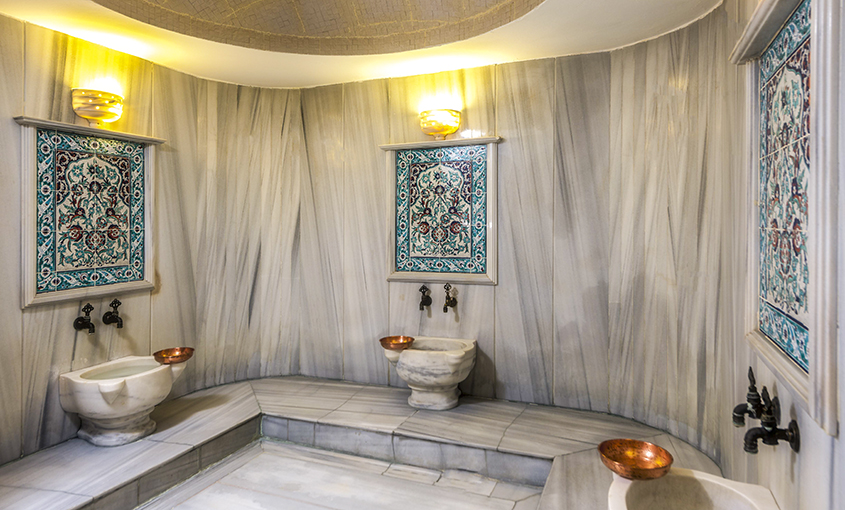
The Sensory Magic of the Ottoman Hammam Ritual
The Ottoman hammam ritual unfolds as a carefully paced, multi-stage bathing journey designed to release physical tension and detoxify the body through gentle heat, atmospheric steam, and therapeutic massage. Stepping into this world requires you to slow down your pace and allow your senses to adapt to an environment shaped by water, stone, and warmth.
Your experience begins in the changing quarters, historically known as the camekan. Here, you transition away from the bustling momentum of the outer city streets. You wrap yourself in a peştemal, a lightweight, handwoven cotton towel traditionally decorated with subtle plaid patterns. Slipping into wooden or bath slippers, you leave daily stress behind and prepare to enter the warmer inner chambers.
Crossing the threshold brings you into the warm intermediate room, or ılıklık, where your body gradually adjusts to the rising temperature and humidity. From there, you move into the heart of the bathhouse: the hot room, known as the hararet. The air inside is thick with soothing steam and light floral notes of olive oil soap, creating an atmosphere that immediately invites deep relaxation.
At the center of the hot room rests the göbektaşı, a massive raised marble platform gently warmed from beneath by secret hearth channels. Lying flat upon this heated marble surface allows radiant heat to penetrate deep into your muscles. As you lie beneath the vaulted ceiling, sweat opens your pores, tension leaves your shoulders, and the gentle drip of water creates a meditative cadence.
Once your body is fully warmed and softened by the marble surface, your bath attendant begins the kese treatment. Using a hand-woven mitt crafted from natural silk or goat hair, the attendant applies long, firm strokes across your skin. This deep exfoliation removes dead skin cells and impurites that everyday washing cannot reach, leaving your skin extraordinarily smooth and invigorated.
Following exfoliation comes the most iconic phase of the ritual: the foam bath, or köpük. The attendant inflates a specialized cotton lace bag with liquid olive oil soap, creating a voluminous mountain of warm, fluffy foam that blankets your entire body. Enveloped in soap bubbles, you receive a soothing full-body massage that calms your muscles and leaves you feeling weightless.
The ritual concludes at one of the individual carved marble basins, or kurna, positioned along the walls. Warm water drawn into brass or copper bowls is repeatedly splashed over your head and body to rinse away every trace of soap. Finally, returning to the cooler resting lounges with a cup of hot Turkish tea restores your thermal balance and leaves you deeply refreshed.
Stepping Under the Domed Skies of Marble Temples
Historic Ottoman bathhouses are architectural masterpieces designed by legendary master builders such as Mimar Sinan to harness natural sunlight and acoustics while maintaining constant thermal warmth. These majestic stone structures were crafted not merely as public hygiene facilities, but as architectural celebrations of water, community, and light.
When you look up from the central marble stone inside a historic bathhouse, your gaze is drawn to grand stone domes suspended overhead. These domes are pierced with dozens of small, glass-capped illumination openings known affectionately as filgözü, or elephant eyes. As sunshine moves across the sky outside, shafts of dramatic daylight pierce the steam inside, creating floating beams of golden light across the damp marble surfaces.
The acoustics inside these domed chambers play a key role in the calming atmosphere. The high stone vaults pick up the rhythmic sounds of trickling water, falling copper bowls, and soft footsteps, softening them into a harmonious hum. Every whisper echoes softly against walls lined with Marmara marble, turning the bathhouse into a quiet soundscape far removed from modern urban rush.
Beyond their physical beauty, these historic structures represent centuries of living culture. In Ottoman times, bathhouses served as vibrant neighborhood gathering places where major life milestones, wedding preparations, and social celebrations were shared. Walking across marble floors smooth with age connects you directly to generations of travelers and locals who have sought renewal within these very same walls.
Choosing the Perfect Historic Bathhouse Near Beyoğlu
Selecting the ideal historic bathhouse depends on whether you seek a restored architectural landmark within walking distance of Beyoğlu or an iconic royal structure across the Golden Horn in the Historic Peninsula. Istanbul offers a diverse selection of centuries-old bathhouses, each possessing its own unique architectural character, neighborhood atmosphere, and level of pampering.
If you prefer to stay close to the lively streets of Beyoğlu, Cihangir, and Karaköy, historic neighborhood bathhouses offer exceptional convenience alongside authentic historical charm. Walking down cobblestone slopes near İstiklal Avenue or Galata Tower leads you to beautifully restored bathhouses that seamlessly blend ancient bathing rituals with contemporary comfort.
Crossing the Golden Horn brings you to world-famous historical monuments near Sultanahmet. Bathhouses built during the height of the Ottoman Empire showcase elaborate marble carving, massive twin domes, and rich histories linked to sultans and historic figures. Visiting these historic venues allows you to pair your bath experience with a full day of historical exploration.
| Hammam Name | Neighborhood Location | Atmospheric Highlight | Ideal Bathing Experience |
|---|---|---|---|
| Kılıç Ali Paşa Hammam | Karaköy (Near Beyoğlu) | Luminous dome by Mimar Sinan & serene marble lounge | Refined, tranquil luxury near Galata |
| Galatasaray Hammam | Beyoğlu (Near İstiklal) | Centuries of classic Beyoğlu neighborhood heritage | Authentic, central historic treatment |
| Cağaloğlu Hammam | Historic Peninsula | Baroque-influenced Ottoman grand architecture | Opulent historical atmosphere |
| Çemberlitaş Hammam | Historic Peninsula | Classic heated marble göbektaşı under starry light openings | Traditional deep heat & classic massage |
After completing your bath ritual in the Historic Peninsula, continuing your cultural day with a memorable meal completes the journey. You can savour authentic Turkish cuisine with excellent vegetarian and vegan options at Olive Anatolian Restaurant, enjoying scenic views over the historical skyline while tasting fresh local ingredients prepared with care.
Unwinding Further with Boutique Hospitality at The Soul Hotel
Combining a historic bathhouse excursion with a stay at a personalized boutique hotel ensures that your physical rejuvenation extends seamlessly into every aspect of your time in Istanbul. Returning to a peaceful, atmosphere-driven sanctuary after a warm bath allows your body to rest fully without abruptly stepping into busy urban surroundings.
Nestled in the historic heart of Beyoğlu near Çukurcuma and Pera, The Soul Hotel offers an intimate retreat within a beautifully restored early-twentieth-century building. Featuring Ottoman Revivalist Architecture touches, high ceilings, and thoughtfully designed guest rooms, the hotel provides a stylish base for culturally minded travelers who value authenticity and personal comfort.
Navigating bathhouse options, understanding booking arrangements, or selecting the right time to visit can feel overwhelming for first-time guests. Relying on tailored concierge services makes planning effortless. The hotel staff can offer personalized recommendations, arrange private airport transfers, and help tailor your daily walking itineraries through nearby art galleries and cafes.
To complement your hammam visit with further peaceful moments, you can explore opportunities to unwind at boutique wellness spaces across our partner locations. If you are curious about room amenities or onsite relaxation options, checking our frequently asked questions about spa amenities provides clear guidance before you arrive.
Essential Etiquette and Practical Advice for Your Hammam Visit
Preparing properly for a traditional Turkish bath ensures that your experience remains comfortable, relaxing, and culturally respectful from start to finish. Knowing what to expect regarding attire, timing, and personal care helps you navigate the ritual with complete confidence.
While traditional bathhouses provide pestemal towels, wooden clogs, and natural soaps, bringing your own small essentials adds personal convenience. Most bathhouses accommodate guest preferences regarding swimwear; wearing a bikini bottom or swimsuit shorts under your pestemal is completely acceptable if you prefer extra coverage during your treatment.
Hydration is extremely important before and after your session. The high thermal heat of the hot room encourages intense perspiration, so drinking plenty of fresh water throughout the day keeps your energy levels steady. Arriving with a light stomach rather than immediately after a heavy meal ensures you feel light and comfortable while resting on the heated marble.
Give yourself generous time to enjoy every stage of the ritual without rushing. Allocating at least two to three hours allows you to rest on the marble stone, enjoy the foam massage, and lounge comfortably afterward with a cup of tea. Pairing your morning bath with a relaxed afternoon exploring the antique shops of Çukurcuma or the lively coffee houses of Cihangir creates a balanced, memorable day in Beyoğlu.
Experiencing a traditional hammam is one of the most rewarding ways to connect with the living history and sensory heart of Istanbul. From the warm marble stone under illuminated domes to the calm boutique comfort of your room at The Soul Hotel, every moment invites you to slow down, restore your body, and immerse yourself in authentic Turkish hospitality.
Frequently Asked Questions
What should I wear during a traditional Turkish bath treatment?
You are provided with a traditional woven cotton towel called a peştemal to wrap around your body. While guests traditionally wear only the peştemal, wearing a bikini, swimsuit bottoms, or shorts underneath is completely acceptable if you prefer extra coverage during your massage.
How long does a traditional hammam ritual usually take?
A standard hammam ritual lasting from heat soaking to foam massage takes approximately 60 to 90 minutes. However, allocating at least two hours allows you to relax comfortably in the cooling lounges afterward without rushing.
Is the traditional Turkish bath suitable for first-time visitors?
Yes, the traditional Turkish bath is welcoming and safe for first-time visitors when following basic guidelines. Attendants guide you through each stage, and you can always request gentler exfoliation or temperature adjustments based on your personal comfort.
Are famous historic hammams easily accessible from Beyoğlu?
Yes, several historic bathhouses are located directly within Beyoğlu, Karaköy, and Cihangir within short walking distance. Iconic bathhouses across the Golden Horn in the Historic Peninsula are easily reached within minutes by public tram or taxi.
Where can I find vegetarian or vegan dining near historic bathhouse sites?
If you are visiting bathhouses near Sultanahmet and the Historic Peninsula, you can dine at Olive Anatolian Restaurant. The restaurant offers a refined menu with excellent vegetarian and vegan Anatolian dishes served in an elegant setting.
What is the best time of day to schedule a hammam visit?
Morning sessions between opening and noon are generally the quietest times to visit historic bathhouses. Booking early allows you to enjoy peaceful marble chambers and leaves your skin feeling invigorated for the rest of your day.
Can The Soul Hotel assist guests with arranging bathhouse recommendations?
Yes, the front desk and concierge team at The Soul Hotel gladly assist guests with local bathhouse recommendations and timing tips. Staff members provide curated local guidance tailored to your personal preferences and schedule.
What is the main difference between a modern spa and a historic Turkish hammam?
A modern spa focuses primarily on private massage treatments and dry saunas, whereas a historic hammam relies on moist radiant heat, marble stone platforms, silk mitt exfoliation, and cloud-like soap bubble massage inside multi-century domed stone architecture.